



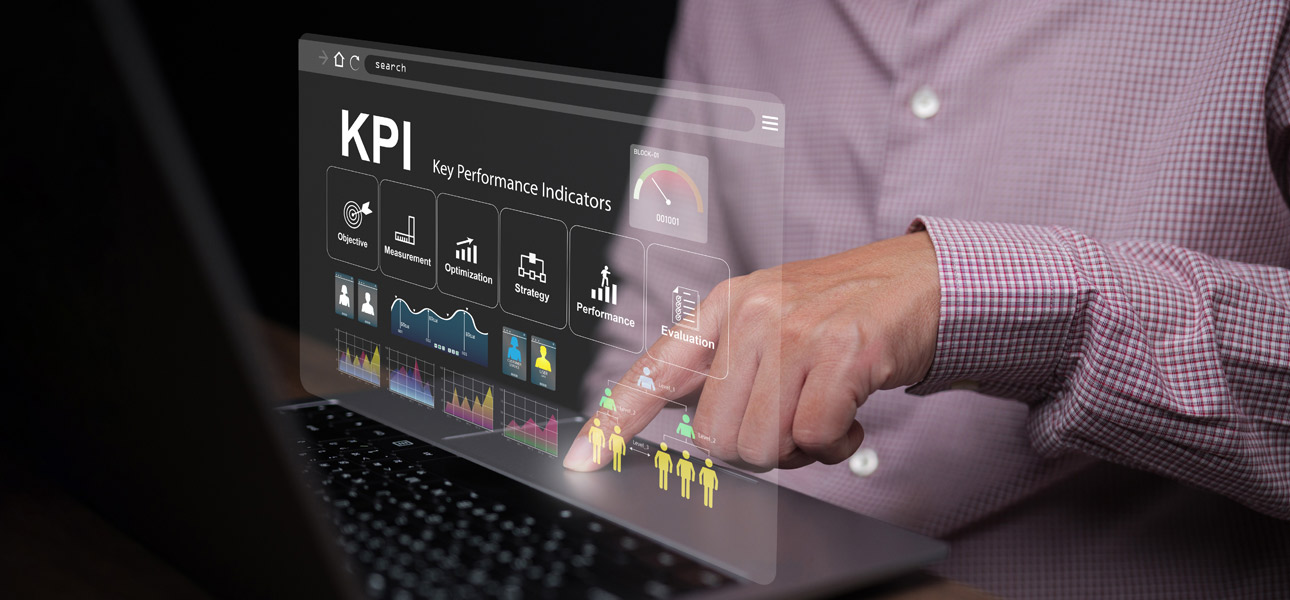
Whether you’re creating high-impact video campaigns, personalizing user journeys with AI, or refining paid ads, the true test of any marketing effort lies in measurable outcomes. Yet in an era where data pours in from countless channels, identifying the most crucial Key Performance Indicators (KPIs) can be overwhelming.
In this post, we’ll explore how AI-powered analytics streamlines tracking and interpretation of your marketing KPIs—especially for video content—so you can act on insights quickly and effectively. By honing in on the right metrics, you’ll not only prove ROI but also continuously optimize campaigns for better results.
Why KPIs Matter in AI-Driven Marketing
Clarity of Goals and Objectives
Clear KPIs translate abstract marketing goals (like “increase brand awareness”) into quantifiable targets (e.g., a 20% increase in video completion rate). This ensures teams align on what “success” actually looks like.
Real-Time Optimization
AI-driven tools can provide near-instant feedback, allowing marketers to pivot mid-campaign. For instance, an underperforming video ad can be tweaked or replaced on the fly.
Budget and Resource Allocation
With AI, you can quickly identify which channels or content types deliver the highest ROI—optimizing your spend for maximum impact and trimming wasted efforts.
For a bigger picture on how AI reshapes marketing strategy, check out How AI Is Revolutionizing Digital Marketing.
Essential KPIs for Video Marketing
View Count vs. Watch Time
- View Count: Shows how many users started the video. However, it can be misleading if viewers drop off quickly.
- Watch Time / Retention: Indicates deeper engagement by showing how long viewers stay tuned. If AI tools detect major drop-offs at certain timestamps, they can recommend edits or re-sequencing.
Click-Through Rate (CTR)
If your video includes a CTA (Call-to-Action)—like a link to a landing page—CTR measures how many viewers actually click through. A high CTR suggests your content or CTA resonates well with the audience.
Conversion Rate
Tracks how many viewers complete a desired action—signing up, purchasing, or downloading. AI-driven platforms can correlate conversions with specific segments or video timestamps, uncovering hidden opportunities.
Engagement (Likes, Comments, Shares)
Social platforms heavily factor engagement into their algorithms. AI-based sentiment analysis can dive deeper, gauging overall viewer sentiment. Are they praising your brand, asking questions, or leaving negative feedback?
To learn how to produce high-converting videos, read Lights, Camera, Conversion: Creating Videos That Drive Results.

AI-Powered Marketing KPIs Beyond Video
Cost Per Acquisition (CPA)
CPA calculates the amount spent to acquire one paying customer. AI can identify which audience segments or ad formats yield the lowest CPA, guiding budget allocation toward top-performers.
Customer Lifetime Value (CLV)
By analyzing historical purchase patterns and engagement data, AI tools predict CLV for new or existing customers. This helps brands focus on high-value segments or tailor loyalty programs effectively.
Churn Rate
Particularly relevant for subscription-based models, churn measures how many customers stop using your service over a given period. AI-driven analytics can flag early warning signs—like declining engagement—to intervene before churn occurs.
Return on Ad Spend (ROAS)
ROAS highlights which campaigns bring in more revenue than they cost. By plugging into AI-based attribution models, you can see how each channel (video, search ads, etc.) contributes to the final sale—ensuring a holistic view of performance.
Using AI for Real-Time Insights
Automated Dashboards
Many AI platforms provide live dashboards that pull data from multiple sources—social media, email platforms, ad networks—into a centralized interface. This offers a snapshot of campaign health and KPI trends at any moment.
Predictive Analytics
Rather than just historical data, AI can forecast future outcomes. For instance, if your CTR trends dip, predictive tools might suggest adjusting your targeting or creative to maintain growth.
A/B Testing at Scale
Test multiple variants of your content—thumbnails, headlines, CTAs—and let AI algorithms identify the winners. This granular approach refines everything from video intros to ad copy.
For more detail on harnessing data for quick decisions, check out Data-Driven Decision Making: AI-Powered Analytics & Insights.

Mapping KPIs to Stages of the Funnel
Awareness Stage
- KPIs: Impressions, unique reach, video views, new visitors
- AI Tip: Audience segmentation helps tailor creative for higher initial engagement.
Consideration Stage
- KPIs: CTR, watch time, email opt-ins, demo sign-ups
- AI Tip: Use predictive scoring to identify which leads are most likely to convert.
Decision Stage
- KPIs: Conversion rate, CPA, ROAS, ROI
- AI Tip: Attribution modeling ensures you credit each channel or piece of content appropriately, capturing the full buyer journey.
Retention / Loyalty Stage
- KPIs: Repeat purchases, CLV, churn rate, referral sign-ups
- AI Tip: Personalized re-engagement campaigns leverage AI-based recommendations for upselling or cross-selling.
Common Pitfalls and Best Practices
Pitfall: Chasing Vanity Metrics
High view counts or social shares might look impressive but don’t always translate to bottom-line improvements. Prioritize KPIs linked to revenue or customer retention.
Pitfall: Ignoring Attribution
Overlooking multi-channel attribution can misdirect budgets. AI-driven models give a more accurate picture of how each channel contributes to conversions.
Best Practice: Align KPIs with Business Goals
Tie metrics directly to core objectives—are you scaling brand awareness, launching a new product line, or boosting subscription renewals?
Best Practice: Continuous Optimization
AI is not a set-it-and-forget-it solution. Regularly review dashboards, run experiments, and refine your approach to keep campaigns on track.
To refine how you capture and utilize data across campaigns, read our piece on Personalization at Scale: Leveraging AI for Tailored Customer Journeys.
Future Outlook: AI for Holistic Marketing Measurement
Unified Customer Journeys
Advancements in AI will make it easier to track users across devices and platforms, stitching together a unified view of their journey from first ad exposure to final purchase.
Proactive Campaign Suggestions
Beyond predictive analytics, future AI tools may proactively suggest entire campaigns, from audience targeting to recommended KPIs—freeing marketers to focus on strategy and creativity.
Real-Time Personalization
As AI integrates deeper into martech stacks, campaigns can adjust messaging, visuals, or CTAs instantly based on user interactions—reflected in the KPIs you track and optimize.
AI-Generated Action Plans
Some platforms already experiment with auto-generating optimization steps—like adjusting bids or changing ad placements—when KPIs drop below thresholds. Expect more of this in coming years.
Conclusion
Measuring marketing success is no longer just about tracking a few vanity metrics. Today’s AI-driven analytics enable deeper visibility into how each piece of content—especially video—impacts the funnel, from first impressions to repeat purchases. By focusing on the KPIs that truly matter—like retention, conversions, and ROAS—and using AI to manage real-time insights, your marketing team can refine strategies on the fly and demonstrate clear ROI to stakeholders.