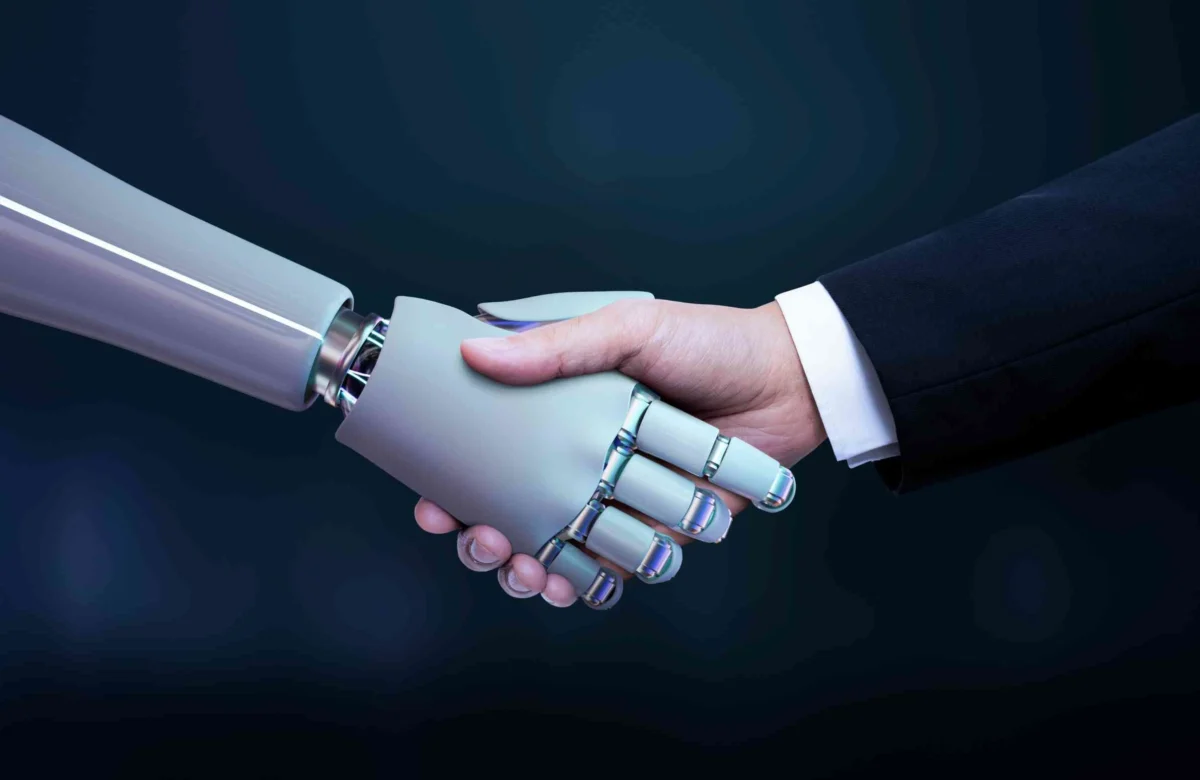



Today’s customers expect more than generic marketing blasts—they crave personalized experiences that speak to their unique needs, preferences, and behaviors. While personalization used to mean adding a first name to an email subject line, it’s now far more sophisticated. Thanks to advances in Artificial Intelligence (AI), brands can deliver customized content, product recommendations, and marketing messages across channels, at scale.
In this post, we’ll explore how AI-driven personalization works, why it’s so effective, and how you can implement it to create tailored customer journeys. Whether you’re a small e-commerce business or a multinational enterprise, AI can help you meet rising consumer expectations, boosting engagement, loyalty, and revenue.
The Power of AI for Personalized Customer Experiences
Today’s customers expect more than generic marketing—they want meaningful interactions tailored to their preferences. Thanks to advances in AI for personalized customer experiences, businesses can now deliver hyper-relevant content, offers, and recommendations at scale.
Whether you’re an e-commerce startup or a global brand, AI enables deeper connections through data-driven personalization that increases engagement, loyalty, and conversions.
Why Personalization Matters?
Modern consumers have grown used to seamless personalization from brands like Netflix and Amazon. They now expect that same level of individual attention from every company they interact with.
Rising Customer Expectations
AI allows marketers to analyze massive data sets—like purchase history, browsing behavior, and engagement patterns—to deliver unique experiences for each user.
Increased Engagement and Loyalty
When customers feel understood, they engage more, stay longer, and are more likely to recommend your brand.
Higher Conversion Rates
AI personalization aligns your message with each user’s intent, resulting in more conversions and a measurable boost in ROI.
For more on how AI is reshaping marketing in general, check out How AI Is Revolutionizing Digital Marketing.
How AI-Driven Personalization Works
Data Collection and Processing
AI gathers and cleans data from multiple touchpoints—social media, websites, apps, and CRMs—to identify user preferences.
Customer Segmentation
Machine learning clusters users into groups based on shared behaviors or interests, making marketing campaigns more targeted and efficient.
Predictive Modeling
AI uses predictive analytics to anticipate customer actions—like making a purchase or unsubscribing—so you can act before they do.
Content and Experience Customization
Personalized product suggestions, tailored landing pages, and targeted emails are all results of real-time AI decision-making.
Practical Applications of AI Personalization

Product Recommendations
E-commerce businesses can increase cart value through AI recommendation engines that show users the most relevant products.
Dynamic Email Campaigns
AI can personalize subject lines, offers, and layouts based on user history and engagement—delivering true one-to-one communication.
Website Customization
Landing pages adapt dynamically to visitors. A new customer may see a discount offer, while a repeat customer sees loyalty points or upsells.
Chatbots and Conversational AI
AI chatbots personalize interactions using past conversation data to enhance customer service and engagement.
Push Notifications and Mobile Apps
AI optimizes when and how to send push notifications for maximum relevance and timing—such as reminding users of abandoned carts.
Interested in blending AI personalization with interactive elements like quizzes or polls? Check out Interactive Content: Why Engagement Is the Future of Marketing
Benefits of AI for Personalized Customer Experiences

Streamlined Operations
AI automates content delivery and segmentation, reducing manual work for marketing teams.
Real-Time Adaptation
AI tools update recommendations and offers instantly based on shifting customer behavior.
Improved Customer Satisfaction
Relevant experiences create happier customers and more repeat business.
Actionable Data Insights
AI analytics reveal deeper patterns about customer preferences and help refine campaigns.
Implementing AI-Driven Personalization
Define Clear Goals
Set measurable objectives—such as increasing click-through rates or reducing churn—to track success effectively.
Evaluate Your Data Readiness
Unify customer data using a Customer Data Platform (CDP) for cleaner, more consistent insights.
Choose the Right Technology
Select AI tools that integrate with your CRM and analytics systems—like HubSpot, Salesforce Einstein, or Segment.
Start Small and Scale
Test personalization on a single campaign or product line before expanding across all channels.
Monitor and Optimize
Continuously retrain AI models to keep personalization relevant as customer behavior evolves.
For deeper insights on harnessing data and analytics, read our post on Data-Driven Decision Making: AI-Powered Analytics & Insights.
Common Challenges and How to Overcome Them

Ensuring Data Privacy and Security
Comply with GDPR and CCPA by obtaining consent and safeguarding customer data.
Avoiding Over-Personalization
Keep personalization helpful, not invasive—focus on adding value without overstepping privacy boundaries.
Maintaining Fresh Content
Regularly update content libraries to ensure AI has relevant data for recommendations.
Managing Technology and Skills Gaps
Partner with experienced agencies like Avenue180 to integrate AI seamlessly into your marketing ecosystem.
Measuring the Success of AI Personalization
Engagement Metrics
Track open rates, session duration, and click-throughs to measure user interest.
Conversion and Revenue
Compare personalized campaign performance against generic efforts to evaluate impact on ROI.
Customer Lifetime Value (CLV)
AI-driven personalization often increases retention and repeat purchases.
Churn Reduction
Personalized re-engagement campaigns can reduce churn by targeting users with tailored incentives.
Real-World Examples of AI Personalization
Netflix
AI recommends content based on each user’s watch history, leading to higher retention and satisfaction.
Spotify
AI curates playlists like Discover Weekly that match listening patterns, increasing engagement time.
Sephora
AI chatbots offer personalized beauty advice, product suggestions, and promotions.
Booking.com
AI analyzes previous travel choices to recommend destinations that fit users’ preferences.
Conclusion
Personalization powered by AI is no longer optional—it’s essential. By leveraging AI for personalized customer experiences, businesses can create meaningful connections, enhance satisfaction, and increase lifetime value.
At Avenue180, we help brands design AI-driven personalization strategies that improve engagement and boost ROI.
Contact us today to discover how we can help you build intelligent, customer-first marketing experiences.
FAQs About AI for Personalized Customer Experiences
What is AI for personalized customer experiences?
It’s the use of artificial intelligence to deliver tailored marketing messages, recommendations, and interactions for each user.
How does AI improve customer experiences?
AI analyzes data to predict preferences, enabling brands to offer the right message or product at the right time.
Which industries can benefit from AI personalization?
All sectors—from e-commerce to healthcare—can use AI to improve customer satisfaction and retention.
Are AI personalization tools expensive?
Many scalable AI tools suit small and medium businesses, making personalization affordable and effective.
How can I start implementing AI personalization?
Begin by defining goals, organizing data, and adopting an AI-powered CRM or personalization platform.