



Video and Artificial Intelligence are two of the most transformative forces in modern marketing. Video remains the go-to medium for storytelling and engagement, while AI continues to push boundaries in personalization, content generation, and analytics. Together, they’re evolving at breakneck speed—leading marketers to wonder what’s next on the horizon.
In this final post of our 20-post series, we’ll explore upcoming trends and innovations poised to reshape how brands leverage video and AI. From fully immersive experiences to ethical data handling, these predictions will help you stay ahead of the curve, ensuring your marketing strategies thrive in the years to come.
1. Hyper-Personalized Video at Scale
Hyper-personalization is the future of video marketing. AI enables brands to tailor content to individual viewers, making each interaction more engaging and relevant. From dynamic ad placements to data-driven storytelling, personalized videos can significantly improve conversion rates.
1.1 Data-Driven Storytelling
As AI becomes more adept at analyzing viewer behavior, demographic profiles, and real-time engagement, videos will adapt on the fly—showing personalized content segments or product recommendations based on each user’s viewing history.
1.2 Dynamic Video Ads
Expect advertising platforms to serve not just targeted static ads, but dynamic video spots that morph in real time—changing language, scenes, or calls to action for maximum relevance.
1.3 Intelligent A/B Testing
AI will increasingly automate testing of multiple video variants, predicting which version resonates best with specific audience segments. Marketers can focus on creative strategy while machine learning refines distribution.
For more on creating high-converting video content, check out Lights, Camera, Conversion: Creating Videos That Drive Results.
2. Augmented and Virtual Reality Videos
AR and VR are transforming how audiences experience video content. AI enhances these immersive technologies by providing insights and analytics that optimize engagement and interactivity in real time.
2.1 Interactive AR Overlays
Advanced AR (augmented reality) will let viewers see real-time overlays on physical objects, blurring lines between the digital and real worlds. Imagine scanning a product with your phone and watching dynamic video content appear.
2.2 VR Marketing Experiences
As VR headsets become more accessible, brands can create 360° storytelling experiences or virtual showrooms. AI-driven analytics will track where users look, what items they interact with, and how long they stay immersed.
2.3 Live Virtual Events
Hybrid and virtual events leveraging AR/VR will feature interactive sessions, breakout rooms, and real-time Q&A. AI chatbots can assist attendees, translating languages or guiding them to relevant booths.
Dive deeper into immersive marketing in AR/VR Marketing Basics: Elevating Customer Experiences.

3. The Rise of Synthetic Media and Virtual Influencers
Synthetic media and virtual influencers represent the cutting edge of AI-driven marketing, blending authenticity with scalability. These innovations allow brands to engage audiences with unique and fully customizable content.
3.1 AI-Generated Hosts and Spokespersons
Thanks to deepfake and generative AI technologies, fully synthetic video hosts can deliver brand messages or product demos 24/7, customizing scripts and languages for each region.
3.2 Blended Reality Influencers
Hybrid influencers—part human, part AI—may emerge, featuring real personalities who allow AI to extend their reach or create additional content. This blend could maintain authenticity while tapping AI’s scalable power.
3.3 Brand-Specific Virtual Avatars
Larger companies might develop proprietary virtual avatars representing their brand, hosting live streams, tutorials, or even music videos. AI ensures the avatar’s voice and mannerisms evolve with audience feedback.
Learn more about virtual influencers and synthetic personalities in The Creator Economy 2.0: How Brands Can Collaborate with AI-Driven Influencers.
4. Conversational and Voice-Activated Videos
Voice and conversational AI are redefining interaction with video content. By enabling hands-free navigation and real-time engagement, these technologies make videos more accessible and interactive for audiences.
4.1 Voice-Assisted Video Playback
Viewers will use voice commands to pause, skip, or replay segments. AI-based speech recognition will interpret context—e.g., “Show me the part about pricing again”—and jump directly to relevant timestamps.
4.2 Chatbot-Integrated Video Streams
Live videos may feature AI chatbots that answer viewer questions in real time, or even guide the direction of the broadcast—an interactive layer bridging brand and audience.
4.3 Enhanced Accessibility
Voice interactions can help visually impaired users navigate video content, while AI-generated transcripts and subtitles expand reach to a broader audience.
For more on optimizing audio and voice experiences, read Voice Search Optimization: Preparing for an Audio-First Future.
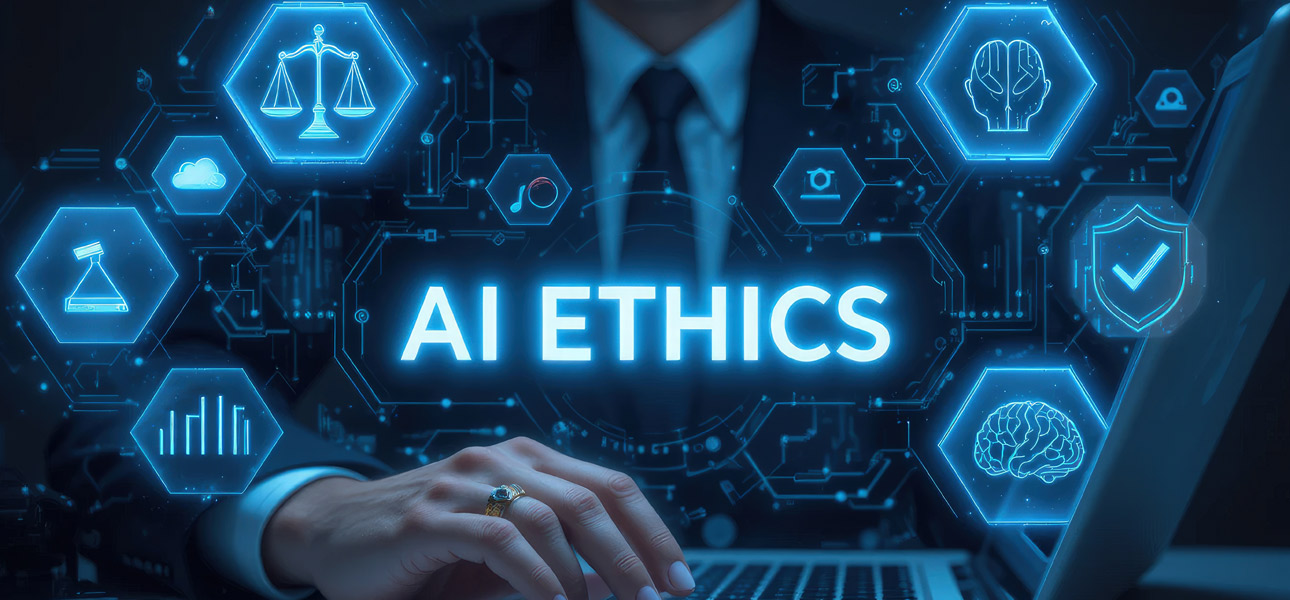
5. Ethical AI and Data Governance
With great AI power comes great responsibility. Ethical practices and data governance ensure that personalization and automation respect user privacy while maintaining trust and credibility.
5.1 Transparent Algorithms
Regulations may demand clearer AI algorithm disclosures—brands will need to show how personalized video recommendations or synthetic content is generated, ensuring consumer trust.
5.2 User-Centric Data Control
AI-driven personalization requires large data sets. Users will push for more control over their personal info, spurring brands to implement opt-in systems and easy data deletion requests.
5.3 Combatting Deepfake Misuse
Advanced watermarking or authentication protocols may emerge to distinguish genuine content from manipulated videos. Marketers must remain vigilant to avoid contributing to misinformation
Explore broader AI ethics in Ethics in AI Marketing: Balancing Personalization and Privacy.
6. AI-Created Video Content on the Fly
AI-driven content generation allows marketers to produce videos instantly, respond to trends, and deliver hyper-relevant messaging with minimal manual effort.\
6.1 Real-Time Editing and Generation
Imagine a scenario where an AI system reads live social media trends and instantly generates short video responses—fully edited, branded, and ready to post. Tools like this could help brands capitalize on viral moments.
6.2 Automated Localization
In multinational campaigns, AI tools could translate, re-dub, or visually adapt videos for local audiences—removing language barriers and cultural mismatches in near real time.
6.3 Interactive Storylines
Viewers can shape the narrative by choosing story branches; an AI system assembles clips to create personalized endings or segments. This merges gaming elements with traditional video storytelling, fostering deeper engagement.
7. Measurement and ROI Evolved
AI is revolutionizing video analytics by providing predictive insights and automating reporting, allowing marketers to optimize campaigns and maximize ROI.
7.1 Advanced Predictive Analytics
KPIs will shift beyond standard metrics (views, CTR) to predictive insights about retention, revenue impact, and brand sentiment. Marketers can forecast campaign success before launch, adjusting creative accordingly.
7.2 Machine-Generated Dashboards
As data becomes more complex, AI dashboards will auto-generate recommendations—alerting marketers of anomalies or suggesting new audience segments to target for higher conversions.
7.3 Attribution in 3D Environments
If AR and VR become mainstream, marketing teams will need new attribution models to track user actions in immersive worlds—potentially combining sensor data, gaze tracking, and social interactions.
Delve into key metrics and analytics in Measuring Success with AI: KPIs That Matter for Video and Marketing Campaigns.
Conclusion
The future of video and AI in marketing promises a dynamic blend of personalization, immersion, and real-time responsiveness. Brands that embrace emerging technologies—from immersive AR experiences to AI-driven content creation—will captivate audiences seeking more engaging, interactive journeys. However, with heightened power comes ethical responsibility: safeguarding data, ensuring authenticity, and maintaining transparent relationships with consumers. By proactively adapting to these unfolding trends, marketers can forge deeper connections, innovate their storytelling, and ultimately thrive in a world where video and AI converge in ever-more exciting ways.