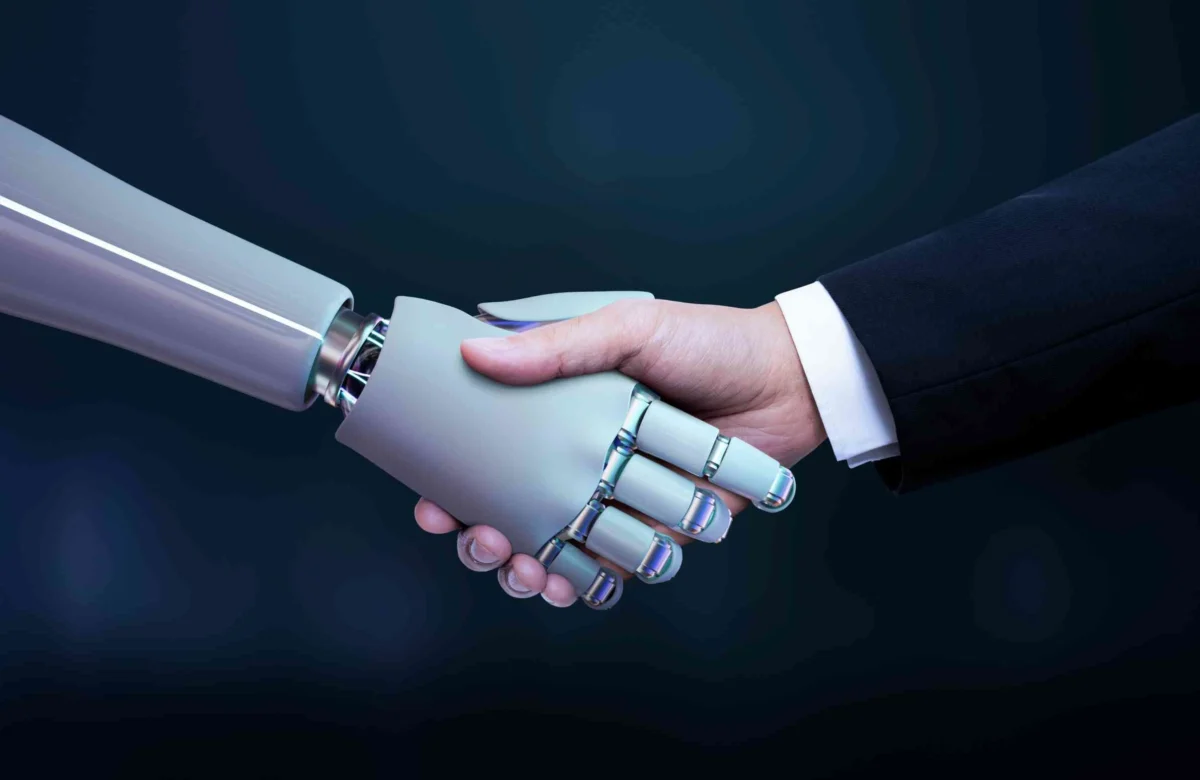



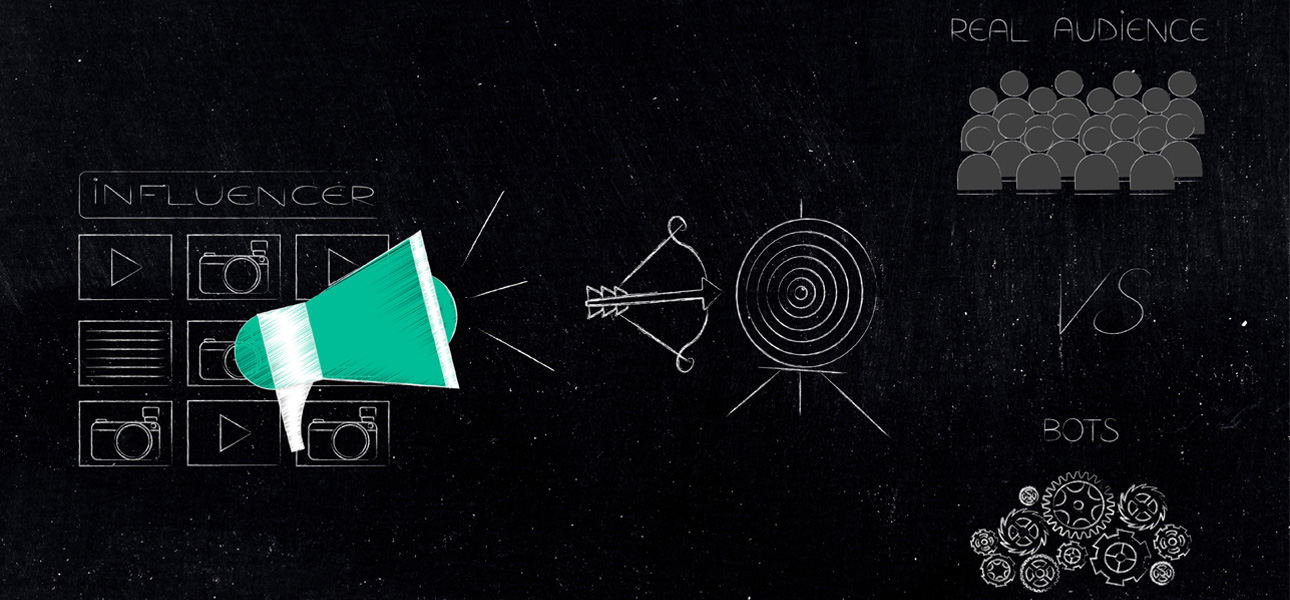
From YouTubers and podcasters to TikTok stars, the creator economy has reshaped modern marketing, giving rise to new business models and celebrity figures who connect with niche audiences. But just as brands have begun to master influencer partnerships, a new paradigm emerges: AI-driven influencers—fully or partially virtual personas powered by artificial intelligence.
These synthetic creators can develop loyal fan communities, deliver content 24/7 without burnout, and pivot quickly based on real-time data. Yet questions around authenticity, transparency, and ethics abound. In this post, we’ll dig into the Creator Economy 2.0, highlighting how AI influencers have evolved, the opportunities they offer, and how brands can collaborate responsibly.
1. Understanding the Rise of AI-Driven Influencers
1.1 Early Virtual Characters
The concept of virtual personas isn’t new; we’ve seen CGI models like Lil Miquela, a digital influencer who gained millions of followers on Instagram, and “VTubers” on YouTube who appear as anime-style avatars. These pioneers demonstrated that virtual identities could captivate audiences much like human influencers.
1.2 AI-Generated Personalities
Some modern virtual influencers go beyond pre-scripted animations—AI can drive their dialogue, create hyper-personalized content, and even respond to fan interactions in real time. This can give the illusion of a living, breathing persona that “thinks” independently.
1.3 Mainstream Brand Adoption
Fashion brands, tech companies, and lifestyle products have started collaborating with AI personas for sponsored posts or campaigns. The novelty factor often yields high engagement, but also prompts discussions about honesty and disclosure.
For a broader view on how AI is transforming marketing, see How AI Is Revolutionizing Digital Marketing.
2. Opportunities for Brands
2.1 Always-On Content Creation
Unlike human influencers who need breaks or can experience burnout, AI-driven personalities can churn out content 24/7. This constant presence can keep audiences continually engaged.
2.2 Tailored Audience Segmentation
AI can analyze audience demographics and preferences, adapting content or messaging in real time to resonate with specific segments—leading to hyper-targeted campaigns.
2.3 Global and Cultural Flexibility
Virtual influencers can be quickly “localized” by switching languages, styles, or cultural references—appealing to diverse international markets without extensive travel or logistic costs.
2.4 Risk Mitigation
Human influencers sometimes encounter scandals or personal controversies that affect brand reputation. While AI-driven personalities aren’t immune to PR issues (especially if ethics or transparency lapses arise), they typically sidestep unpredictable real-life drama.
3. Balancing Authenticity and Artificiality
3.1 Transparent Disclosures
Brands must be upfront about an influencer’s nature—fans should know they’re interacting with an AI persona. Hiding a virtual influencer’s true identity can lead to backlash if discovered later
3.2 Human-Like Character Development
To foster emotional connections, some virtual influencers have backstories, hobbies, and even personal quirks—attributes that are carefully programmed to mimic human experiences.
3.3 Maintaining Engagement
Despite AI’s capabilities, users still crave relatability. Regularly updating the persona’s storyline (e.g., new interests, collaborations, virtual “life events”) can keep followers invested, much like a favorite TV show character.
3.4 Ethical Content Creation
Virtual influencers can inadvertently spread misinformation if not properly fact-checked or guided by human oversight. Brand integrity relies on ensuring the content aligns with factual correctness and corporate values.
Explore broader ethical considerations in AI marketing in Ethics in AI Marketing: Balancing Personalization and Privacy.
4. Potential Challenges and Pitfalls
4.1 Oversaturation and Novelty Decay
The novelty of AI-driven influencers may wear off if the market becomes saturated with virtual personalities. Brands need to differentiate their AI collaborator’s character, aesthetic, or message.
4.2 Data Privacy Concerns
AI personas often rely on extensive data analysis to tailor content. This raises questions about how user data is collected, stored, and utilized—requiring compliance with GDPR, CCPA, and other regulations.
4.3 Production Complexity
Behind every virtual influencer is a team of developers, designers, AI specialists, and creative directors ensuring the persona remains engaging and technically sound. Costs can escalate if the brand seeks complex animations or real-time interactions.
4.4 Misalignment with Core Values
If a virtual influencer’s content or persona conflicts with brand values, consumers may view the partnership as disingenuous. Clear guidelines and close collaboration are crucial to avoid such misalignments.

5. Best Practices for Collaborations
- Define Clear Objectives
- Are you aiming for brand awareness, product launches, or a new demographic? Understand how an AI influencer fits within your broader marketing goals.
- Ensure Creative Consistency
- Provide detailed briefs outlining tone, visual style, and do’s/don’ts. Since AI personalities may adapt in real time, it’s vital to keep them on-brand.
- Offer Authentic Value
- Content should entertain, educate, or inspire—avoid purely promotional messaging. AI-driven posts still need to resonate with human emotions and interests.
- Human Oversight Remains Key
- AI can auto-generate concepts, but a human touch ensures cultural sensitivity, factual accuracy, and brand alignment.
- Measure Performance
- Track engagement metrics, conversions, and sentiment analysis. Regularly evaluate whether the AI influencer meets (or surpasses) human-influencer benchmarks.
To learn about additional ways AI enhances content creation, check out Generating High-Impact Content with AI: Tips, Tools, and Best Practices.
6. Real-World Examples
Lil Miquela
Arguably the poster child of virtual influencers, Lil Miquela boasts millions of followers on Instagram. Known for her music career and fashion collaborations, she’s partnered with top-tier brands like Prada, illustrating the commercial potential of synthetic celebrities.
KFC’s Colonel Sanders 2.0
KFC briefly unveiled a CGI “hipster Colonel Sanders” on Instagram, mixing brand nostalgia with a modern spin. Though it sparked debate about authenticity, the campaign fueled extensive social media chatter.
Superplastic’s Janky & Guggimon
These AI-driven, animated toy characters have collaborated with fashion brands and musicians, hosting live streams and product drops that blend digital fandom with physical merchandise.
7. Future Outlook
Hybrid Influencers
We may see human influencers teaming up with AI counterparts, co-creating content that merges genuine human experiences with the 24/7 adaptability of AI.
Deeper Immersion in the Metaverse
Virtual influencers could roam shared digital spaces (e.g., gaming platforms, virtual concerts), interacting with fans in real-time and bridging brand experiences across multiple channels.
Industry Regulation and Transparency
As AI-driven influencers proliferate, government bodies or social platforms may impose rules mandating clear labeling (“This is an AI influencer”), akin to how sponsored posts must be disclosed
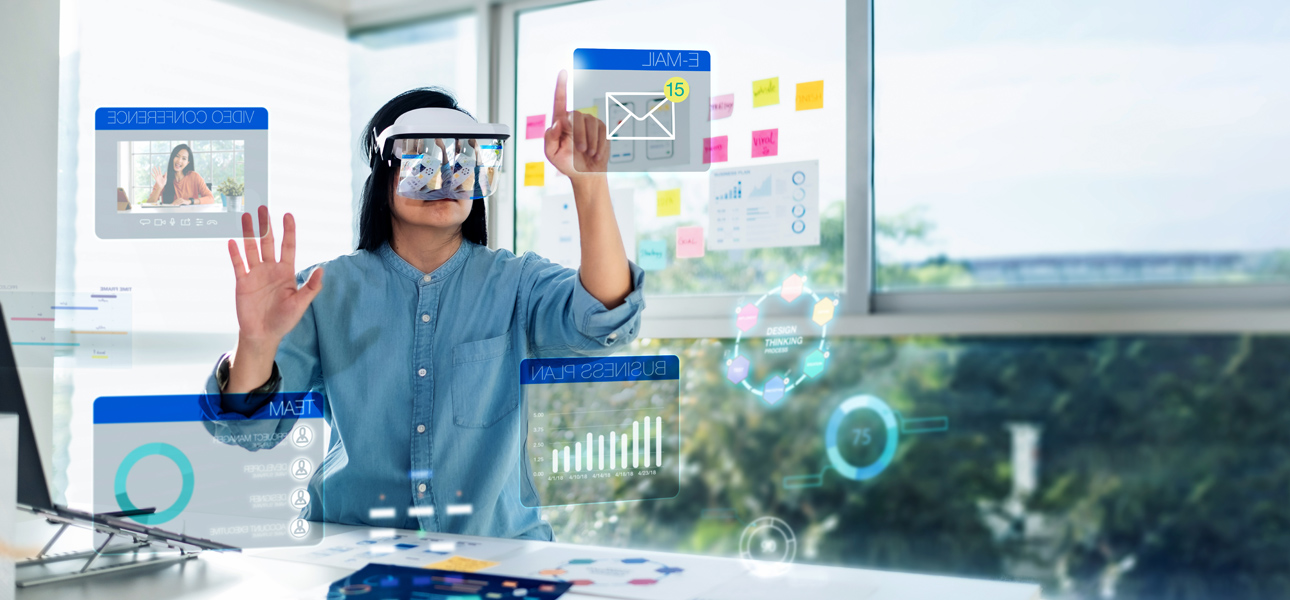
Blurring Lines with AR/VR
Augmented reality effects or VR environments can give these synthetic personalities a tangible presence in users’ physical spaces, further enriching brand touchpoints.
Conclusion
The Creator Economy 2.0 is here, introducing AI-powered influencers who captivate audiences with consistency, creativity, and technological sophistication. For brands, these virtual personas represent an intriguing fusion of novelty and strategic reach, but success hinges on honest disclosure, ethical data practices, and ensuring that the “artificial” aspect doesn’t overshadow genuine connection. As AI evolves, collaborations between brands and virtual influencers will likely expand—offering fresh ways to humanize marketing, even in a digital frontier.